
Hijama & Healing
How hijama benefits women
What it may help, when to book it, how to stay safe — and how to choose a female practitioner you trust.
Help Review Welliyah Articles
We welcome qualified female healthcare professionals and Islamic educators to contribute to and review Welliyah content.
Interested in becoming a reviewer?
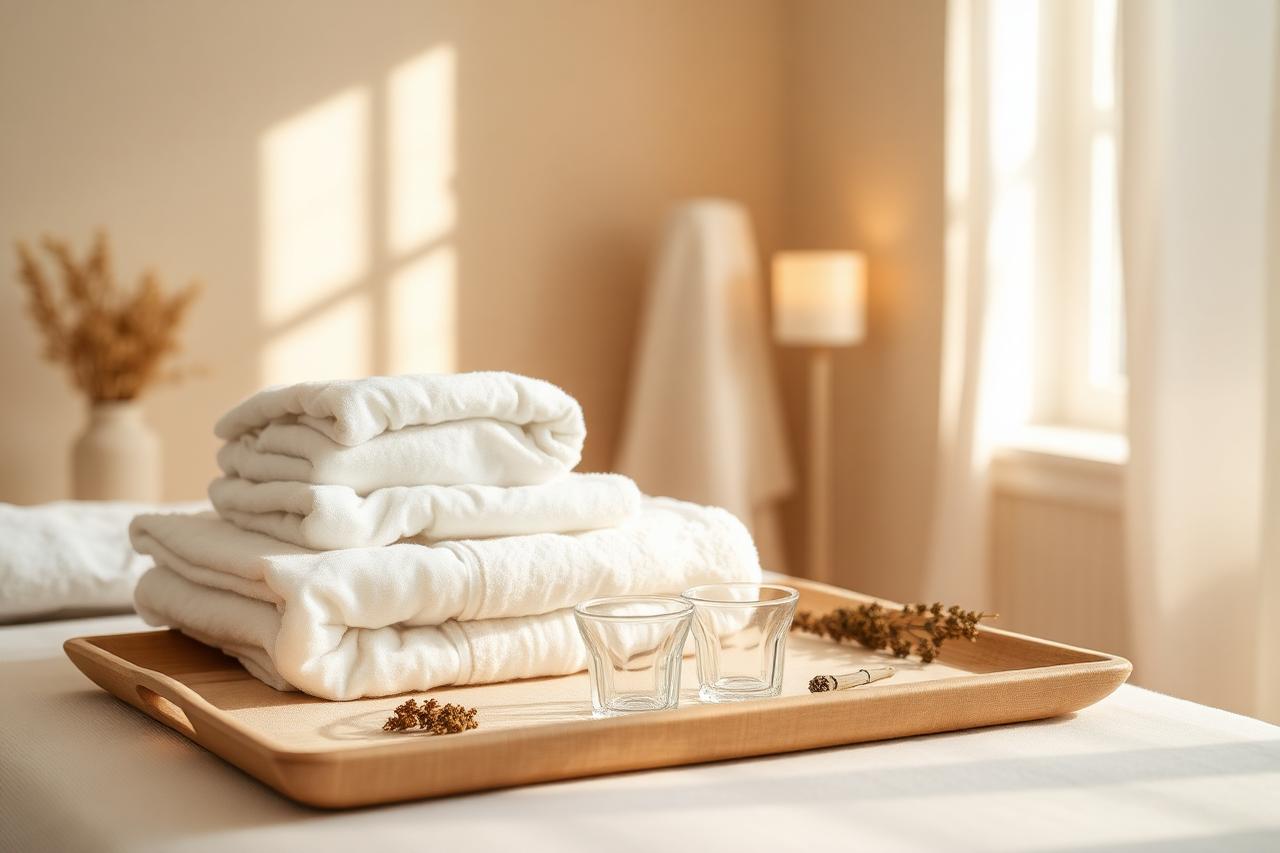
Hijama — wet cupping — is one of the most loved practices in the Sunnah, and one of the most misunderstood. Women usually come to it for something specific: a cycle that flattens them for three days, shoulders that never soften, a tiredness that sleep does not fix.
Here is what hijama realistically helps with, when to book it around your cycle, and how to make sure the session you book is safe, private and genuinely female-only.
- Period pain and heavy, difficult cycles — commonly treated over the lower back and sacral area, with many women reporting less cramping over a few cycles.
- Tension headaches and migraines — where neck and shoulder tightness is part of the trigger load.
- Back, shoulder and neck tension — from carrying babies, desk work, prayer posture and long hours on your feet.
- Fatigue, low mood and stress — the deep rest that follows a session is often as valuable as the treatment itself.
- Postnatal recovery — once bleeding has stopped and your postnatal check is complete.
Hijama is a supportive therapy, not a diagnosis and not a replacement for medical care. If your symptoms are new, severe, worsening or unexplained — sudden headaches, very heavy bleeding, unexplained weight loss, persistent pelvic pain — see a doctor first. Good practitioners say this themselves.
A well-known narration encourages hijama on the 17th, 19th and 21st of the lunar month, and many practitioners also favour Mondays, Tuesdays and Thursdays. These are recommendations of extra benefit, not conditions of validity — a safe session on the 5th beats a rushed one on the 17th.
Most female practitioners prefer to treat after your period has finished, when iron stores have recovered and light-headedness is less likely. If your goal is easing period pain, the week before your period is due is often the most useful window. For general wellbeing, every three to four months is a sensible rhythm.
- During pregnancy — wet cupping is generally avoided.
- Before your postnatal check, or while still bleeding after birth.
- While anaemic or iron-deficient — treat the deficiency first.
- During acute illness, fever or infection.
- On blood thinners or with a bleeding disorder, without medical clearance.
- Training you can verify — certification, insurance, and a clear answer about who taught them.
- Single-use everything — sterile cups and blades opened in front of you, gloves changed, a proper sharps bin.
- A written health screening before any skin is touched.
- A private, female-only room — a door that closes, not a curtain in a shared space.
- A consent form covering coverage, hair covering, touch, prayer time and photography.
Hydrate across the 24 hours before, eat properly the day before, and expect a light fast of two to three hours before your appointment — not a whole day of nothing. Wear loose clothing that opens at the back and shoulders, and bring an extra scarf if you would like more coverage.
Afterwards keep the sites clean and covered for 24–48 hours, skip swimming, sauna and heavy training that day, eat something warm and give yourself a quiet evening. Marks and mild soreness fade over one to two weeks; spreading redness, heat, pus or fever needs a doctor.
Is hijama good for period pain?
Many women report easier cycles and less cramping after regular hijama on the lower back and sacral area, and small clinical studies on cupping for period pain are encouraging. It is a supportive therapy, not a diagnosis — persistent or worsening pain should always be reviewed by a doctor.
Can hijama help migraines and neck tension?
Hijama is most often used for tension-type headaches and neck or shoulder tightness, where releasing muscle tension and improving local circulation can reduce trigger load. Sudden, severe or new headaches need urgent medical assessment first.
What are the best days for hijama?
Many practitioners follow the narration favouring the 17th, 19th and 21st of the lunar month, and Mondays, Tuesdays and Thursdays. These are recommendations of virtue, not conditions of validity — safety and your own readiness matter more than the date.
Can I have hijama during my period or while pregnant?
Most female practitioners prefer to wait until your period has finished, because you are already losing blood. Wet cupping is generally avoided during pregnancy, and after birth most wait until bleeding has stopped and your postnatal check is complete.
How often should a woman have hijama?
For general wellbeing, every three to four months is a common rhythm. For an active concern, practitioners often start with two to three sessions four to six weeks apart, then move to maintenance. Weekly sessions are not advised.
How do I choose a female hijama practitioner?
Ask about training and certification, single-use sterile cups and blades, sharps disposal, a written health screening, a private female-only room and a consent form covering coverage and photography. Vague answers are a reason to walk away.
Book with a practitioner you trust, on a day you can rest afterwards, in a room where you feel covered and calm. That combination matters more than any date on the calendar.
General information only, not medical or religious ruling. Follow your own school of thought and speak to a healthcare professional about your circumstances.
Sources & further reading
Every claim in this article is traced to either an authentic Islamic source or peer-reviewed research and public health guidance.
Islamic sources
Science & clinical research
Medical disclaimer: Welliyah articles are for general education and reflect Islamic wellness principles. They are not a substitute for personal medical advice. Always speak with a qualified clinician about your individual health, medication, pregnancy, or treatment decisions.