
Welliyah Professional
Welliyah Professional — Halal Ingredient Guide
A plain English guide for spas, salons, clinics and wellness businesses serving Muslim women and women who value modesty.
Help Review Welliyah Articles
We welcome qualified female healthcare professionals and Islamic educators to contribute to and review Welliyah content.
Interested in becoming a reviewer?
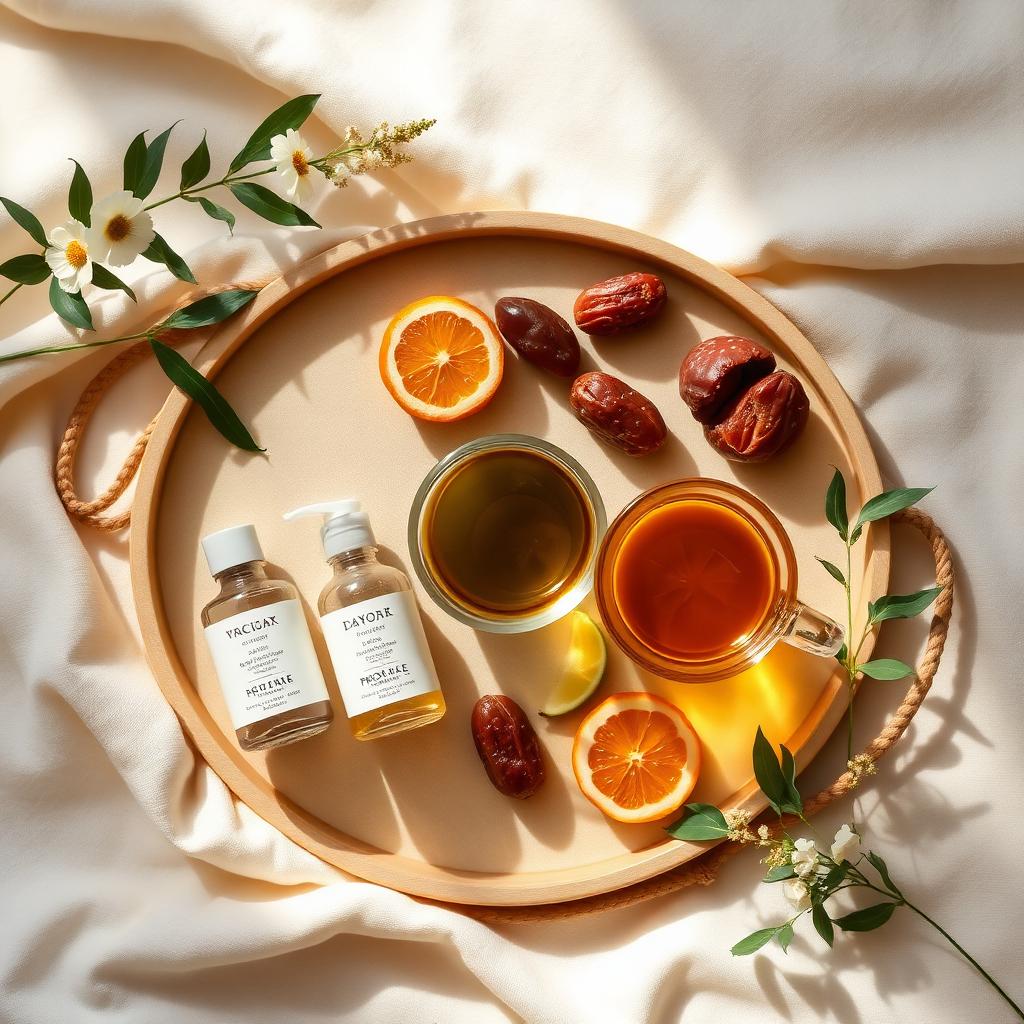
If you run a spa, salon, clinic, massage practice, naturopathy studio, or any health and wellness business — chances are you offer clients more than just a service. You offer an experience. A warm drink on arrival. A small snack. A beautifully presented treatment.
For Muslim women and women who value modesty, a few of those touches need a quick ingredient check. This guide tells you exactly what to look for — in your products and in your hospitality — so you can serve every client with confidence.
Halal is an Arabic word meaning "permissible" or "allowed." Think of it like a code of practice that covers what Muslims can eat, drink, and use on their body. It is similar in concept to kosher guidelines for Jewish clients — a clear set of things that are permitted and things that are not.
For health and beauty professionals, it comes down to two simple categories:
- No alcohol — including alcohol used in products applied to the skin
- No animal-based ingredients from pigs, or from animals not prepared according to Islamic guidelines
Most people associate halal with food. But for Muslim women and women who value modesty, it also applies to what goes on their body — not just what goes in it.
In Islam, alcohol is considered harmful not only when ingested but also when applied to the body, which is why halal requirements extend into cosmetics and personal care products.
This means the serums, oils, masks, and treatments you use in your sessions may also need a quick check — not just the biscuits on your hospitality tray.
This applies to anything that touches her skin, hair, or nails during a session — serums, masks, scrubs, oils, cleansers, toners, hair treatments, nail products, and massage oils.
Some ingredients commonly found in cosmetics — such as glycerin, stearic acid, and propylene glycol — can be derived from both halal and non-halal sources. The ingredient name alone does not tell you enough — the source matters.
What to scan for on the label:
- Alcohol / Ethanol — in toners, setting sprays, perfumes and serums. Look for "alcohol denat", "ethanol" or "isopropyl alcohol".
- Gelatine — in some face masks, nail treatments and creams. Choose plant-based or agar alternatives.
- Collagen — often sourced from pigs. Verify the source with your supplier.
- Glycerin — can be plant or animal-derived. Ask your supplier which source they use.
- Stearic acid — can come from animal fat. Look for "vegetable stearic acid".
- Carmine / Cochineal / E120 — a red dye made from crushed insects. Avoid or choose synthetic alternatives.
- Lard / Tallow — pig or animal fat in some soaps and hair products.
- Keratin — sometimes sourced from animal hooves or feathers. Confirm the origin.
- Show her the product label and let her decide — she will always appreciate your honesty
- Contact your supplier and ask about ingredient sourcing — most are happy to help
- Check the American Halal Foundation ingredient database at halalfoundation.org
- Use Halal Watch World at halalwatch.us to verify specific products
- In your country, look for products from halal-friendly beauty suppliers or with a halal certification logo
This is where most businesses do not think to check — but it matters just as much. Whether it is a cup of tea on arrival, a small biscuit alongside a treatment, or a snack bowl in your waiting area, the same principles apply.
The good news: plain tea and coffee are generally fine. The things to watch are what goes with them or into them.
- Plain tea & coffee — generally fine.
- Oat, almond & soy milk — generally fine.
- Flavoured teas and herbal blends — some contain alcohol-based flavouring. Read the blend ingredients.
- Flavoured coffee syrups — some use alcohol as a preservative. Check the label.
- Hot chocolate powder — generally fine, but check premium blends for unusual additives.
This is the area that surprises most businesses. Many everyday snacks contain gelatine — a setting agent made from animal bones that shows up in places you would not expect. Snacks must not contain gelatine from non-halal animal sources, or alcohol.
- Lollies & gummies — almost always contain gelatine. Choose halal-certified or pectin-based versions.
- Marshmallows — typically contain gelatine. Choose halal-certified versions.
- Chocolate — some contain alcohol flavouring. Check the label.
- Plain biscuits & shortbread — generally fine, but check for lard or animal-based shortening.
- Pastries & croissants — some commercial versions use lard. Check with your supplier.
- Protein & wellness bars — some contain gelatine or alcohol-derived ingredients.
- Fresh fruit, nuts, seeds and dates — always fine. Dates are a traditional and very welcome offering.
- Hard cheeses — many use animal rennet. Look for "vegetarian rennet" on the label.
- Soft cheeses & cream cheese — generally fine. Check flavoured versions for non-halal additives.
- Plain yogurt — generally fine. Check flavoured varieties for gelatine or alcohol-based flavouring.
Before purchasing snacks or products, scan the ingredient list on the back of the packaging for these words:
- Gelatine
- Lard
- Animal rennet
- Ethanol
- Alcohol / Alcohol denat
- Carmine / Cochineal / E120
- Collagen (check source)
- Glycerin (check source)
- Tallow
- Stearic acid (check source)
You do not need to overhaul everything. These easy substitutions work beautifully for every client — Muslim or not:
- Lollies with gelatine → fresh fruit, dried fruit, or halal-certified gummies
- Regular marshmallows → fresh dates or halal-certified marshmallows
- Cheese with animal rennet → cream cheese or cheeses labelled vegetarian rennet
- Flavoured coffee syrups → natural honey or plain sugar
- Protein bars with gelatine → nut-based bars or fresh fruit
- American Halal Foundation — halalfoundation.org — leading authority on halal certification for cosmetics and personal care.
- Halal Watch World — halalwatch.us — halal product verification resource.
- IslamQA — islamqa.info — trusted Islamic rulings and guidance, available in English.
- Yaqeen Institute — yaqeeninstitute.org — research-based Islamic education written in plain English.
If any flagged ingredient appears — check the source, find a halal-certified alternative, or simply show her the label and let her decide. She will appreciate the honesty every time.
Sources & further reading
Every claim in this article is traced to either an authentic Islamic source or peer-reviewed research and public health guidance.
Islamic sources
Science & clinical research
- 2.Codex Alimentarius / General guidelines for use of the term "halal" (CAC/GL 24-1997).
- 3.EU Cosmetics Regulation (EC) No 1223/2009 — INCI labelling and prohibited substances.
- 4.CosIng database — ingredient functions and restrictions (gelatin, stearates, carmine, alcohol denat.).
- 5.European Commission SCCS — opinions on fragrance allergens and preservatives in cosmetics.
Medical disclaimer: Welliyah articles are for general education and reflect Islamic wellness principles. They are not a substitute for personal medical advice. Always speak with a qualified clinician about your individual health, medication, pregnancy, or treatment decisions.