
Clean Beauty
Why Synthetic Perfumes Harm Your Hormones — and What Muslim Women Should Wear Instead
The hidden chemicals inside conventional fragrance — and how to choose clean, alcohol-free alternatives that protect your hormonal health.
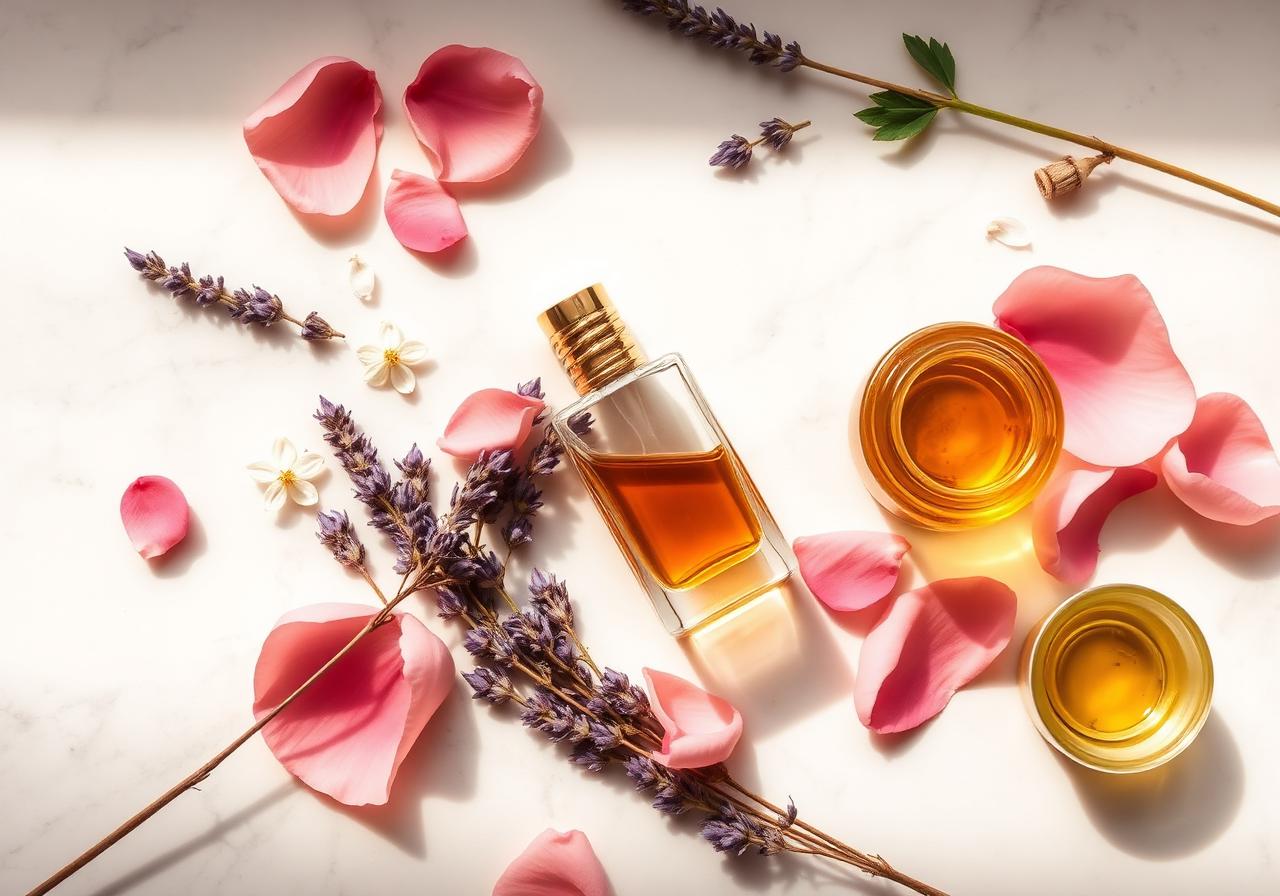
What's actually inside synthetic perfume?
Most commercial fragrances list a single word on the label — "parfum" or "fragrance" — which can legally hide dozens of synthetic chemicals. Many of these are endocrine disruptors: compounds that mimic or block hormones like estrogen, progesterone and thyroid hormone.
Three hormone-disrupting ingredients to avoid
- Phthalates (DEP, DBP): Used to make scent last longer. Linked to lower fertility, irregular cycles and pregnancy complications.
- Synthetic musks (galaxolide, tonalide): Bioaccumulate in the body and breast milk, and shown to interfere with estrogen receptors.
- Parabens & benzophenones: Common preservatives and UV stabilisers that mimic estrogen and have been detected in breast tissue.
Why this matters more for Muslim women and women who value modesty
Modest dressing means perfume sits longer against the skin under layers of clothing, increasing absorption. Daily wudu and prayer also mean repeated contact with the same fragrance points — wrists, neck, behind the ears — for years. Pregnancy, breastfeeding and the postpartum period are especially sensitive windows where hormone disruptors can have lasting effects.
Halal, alcohol-free alternatives
The good news: traditional Islamic perfumery has always favoured oil-based, alcohol-free fragrance. Look for pure attar, oud, rose otto and musk-free oils extracted by steam distillation — not synthetic isolates. A single drop lasts all day, the scent develops with your skin, and there are no hidden chemicals on the label.
How to switch gently
- Finish what you have, then don't replace it like-for-like.
- Choose one signature attar — rose, oud or jasmine — from a trusted source.
- Apply to pulse points after wudu instead of over clothing for a softer, longer-lasting trail.
- Let your body adjust. Within weeks most women report fewer headaches and clearer skin.
Your scent should be a part of your worship and self-care — not a source of hormonal stress. Choose ingredients you can pronounce, and your body will thank you.
Sources & further reading
- Sahih al-Bukhari — prophetic narrations on the use of perfume and pleasant scent (Sunnah of oil-based attar).
- Gore AC et al., "EDC-2: The Endocrine Society's second scientific statement on endocrine-disrupting chemicals", Endocrine Reviews 2015.
- Dodson RE et al., "Endocrine disruptors and asthma-associated chemicals in consumer products", Environmental Health Perspectives 2012.
- Reviews on synthetic musks (galaxolide, tonalide) and bioaccumulation in human tissue.
- European Commission SCCS — opinions on fragrance allergens in cosmetic products.
Medical disclaimer: This article is for general education and is not a substitute for personal medical advice. Speak with a qualified clinician about your individual health, pregnancy or treatment decisions.