
Sunnah Nutrition
Dates — The Original Sunnah Superfood
From breaking fast to easing labour, dates are the most evidence-backed food in Islamic tradition.
Help Review Welliyah Articles
We welcome qualified female healthcare professionals and Islamic educators to contribute to and review Welliyah content.
Interested in becoming a reviewer?
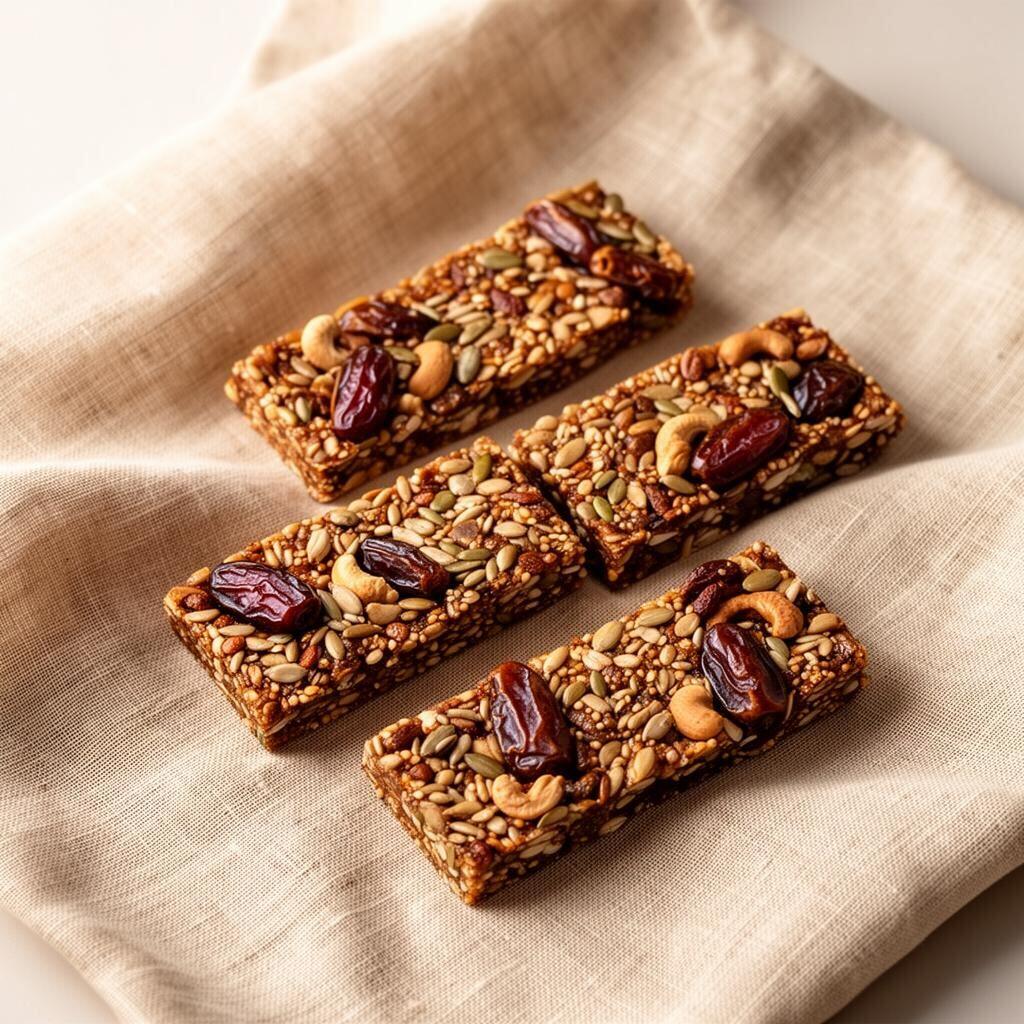
The Prophet ﷺ said: "A house without dates is a house without food." (Sahih Muslim 2046). For 1400 years, dates have been a Muslim staple — breakfast, iftar, postpartum food, labour aid. Modern nutrition agrees: dates are one of the most complete natural energy foods on earth.
- Natural sugars (glucose + fructose) with a surprisingly moderate glycaemic load thanks to fibre
- Potassium, magnesium, copper and manganese
- Polyphenol antioxidants higher than most fresh fruits
- Fibre that supports gut and hormone balance
Multiple clinical trials show eating 6 dates a day in the final weeks of pregnancy is associated with shorter labour, less need for induction, and a more favourable cervix at birth. This isn't folklore — it's published research.
A date and seed bar is a portable, single-ingredient food — perfect for busy mothers, school runs, work bags and travel. But many store-bought bars hide refined sugars, palm oil, soy lecithin, "natural flavours" and seed oils. What to look for:
- Dates as the first ingredient
- Whole nuts and seeds, not "nut paste" or oils
- No refined sugar, syrups or "natural flavours"
- Organic when possible — dates are usually sprayed
- Short ingredient list you can read aloud
Sources & further reading
Every claim in this article is traced to either an authentic Islamic source or peer-reviewed research and public health guidance.
Islamic sources
Science & clinical research
- 2.Al-Kuran O et al., "The effect of late pregnancy consumption of date fruit on labour and delivery", J Obstet Gynaecol 2011.
- 3.Alkaabi JM et al., "Glycemic indices of five varieties of dates in healthy and diabetic subjects", Nutr J 2011.
- 4.USDA FoodData Central — nutrient composition of dates (potassium, fibre, magnesium).
- 5.Rahmani AH et al., "Therapeutic effects of date fruits", Int J Clin Exp Med (review of antioxidant and gut-health data).
- 6.NHS — Fibre and a healthy diet.
Medical disclaimer: Welliyah articles are for general education and reflect Islamic wellness principles. They are not a substitute for personal medical advice. Always speak with a qualified clinician about your individual health, medication, pregnancy, or treatment decisions.