
Pregnancy & Postnatal
Postnatal Recovery Oil — Honouring the 40 Days
A simple ritual rooted in tradition that helps your body, hormones and heart heal after birth.
Help Review Welliyah Articles
We welcome qualified female healthcare professionals and Islamic educators to contribute to and review Welliyah content.
Interested in becoming a reviewer?
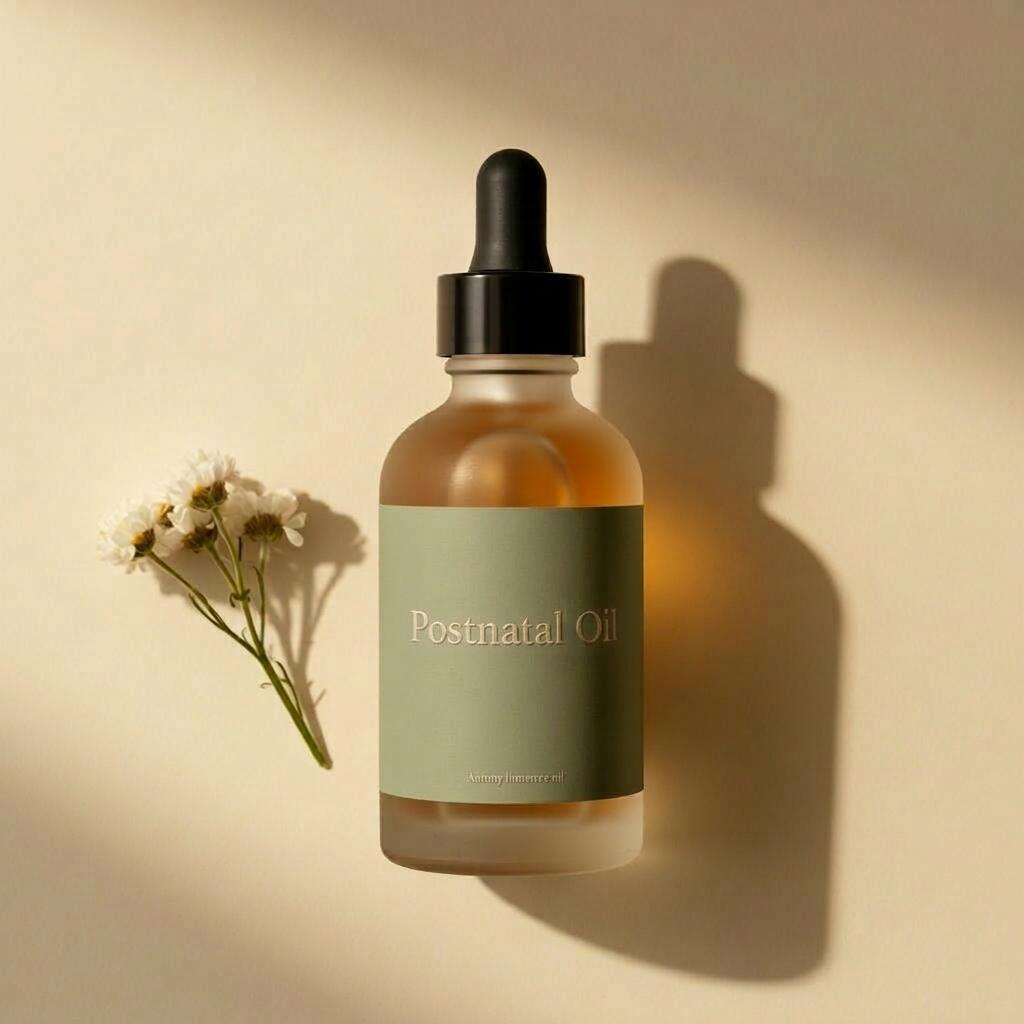
Every traditional culture — and Islamic tradition in particular — recognises the first 40 days after birth (nifas) as sacred. The mother is healing a wound the size of a dinner plate inside her womb. Warm oil massage is one of the gentlest, most effective ways to support that healing.
- Warms the body — postpartum women are physiologically "cold" and oil retains heat
- Supports lymphatic drainage and reduces swelling
- Calms the nervous system through touch and grounding scents
- Helps the skin recover elasticity after pregnancy
- Eases joint and pelvic discomfort from labour
- Cold-pressed carrier oils — sesame, almond, or jojoba
- Synthetic-fragrance free — postpartum hormones are highly sensitive
- No parabens, phthalates or essential oils unsafe during breastfeeding
- Warming spices like ginger, fenugreek or nigella in small amounts
- Warm a small amount between your palms
- Massage in long, slow strokes from belly outwards, then arms and legs
- Avoid the perineum and any healing wounds
- Wait 20 minutes, then take a warm shower
- Repeat daily for the first 40 days, then 2–3× weekly
Sources & further reading
Every claim in this article is traced to either an authentic Islamic source or peer-reviewed research and public health guidance.
Science & clinical research
- 1.Field T et al., "Massage therapy reduces depression and increases serotonin in pregnant and postpartum women".
- 2.Studies on warm oil abdominal massage, postpartum uterine pain and involution (Iran J Nurs Midwifery Res).
- 3.WHO — Recommendations on maternal and newborn care for a positive postnatal experience.
- 4.NHS — Your body after birth: recovery, healing and when to seek help.
- 5.Field T — "Postpartum massage therapy research: a narrative review", J Bodyw Mov Ther.
- 6.Studies on plant oils and skin barrier function (linoleic acid, oleic acid and transepidermal water loss).
Medical disclaimer: Welliyah articles are for general education and reflect Islamic wellness principles. They are not a substitute for personal medical advice. Always speak with a qualified clinician about your individual health, medication, pregnancy, or treatment decisions.