
Clean Scent
Oud Attar — The King of Synthetic-Free Scent
Beloved by the Prophet ﷺ. Distilled from agarwood. Zero synthetic chemicals on your skin.
Help Review Welliyah Articles
We welcome qualified female healthcare professionals and Islamic educators to contribute to and review Welliyah content.
Interested in becoming a reviewer?
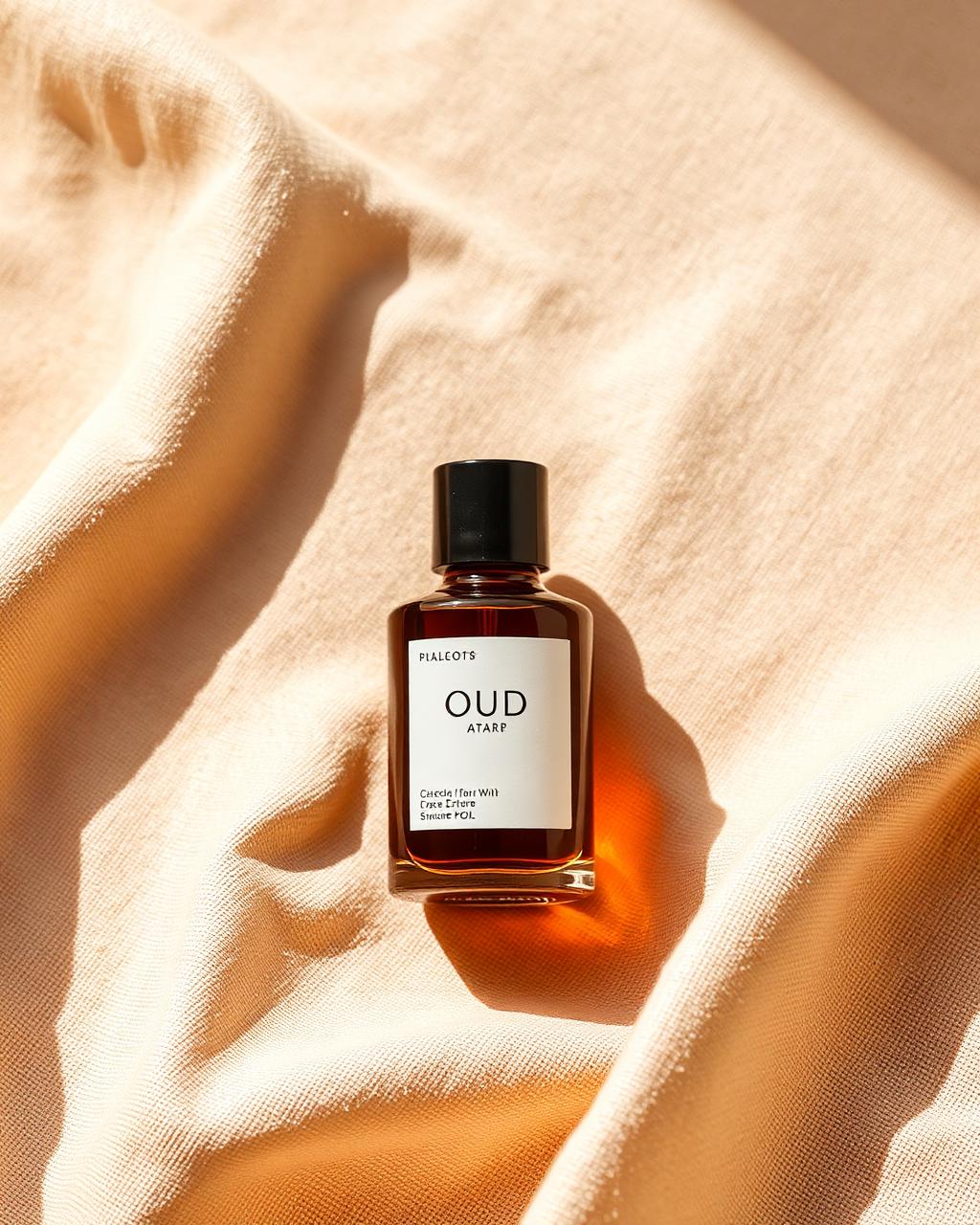
Oud — the resinous heartwood of the agarwood tree — has been the most prized perfume in the Muslim world for over a thousand years. The Prophet ﷺ used oud ('ud) in incense. Today, "oud" is everywhere, but most of what's sold is synthetic. Here's how to find the real thing.
The Prophet ﷺ said: "The best of perfumes is musk." (Sahih Muslim 2252). He also fumigated his clothes with oud (Sahih al-Bukhari 5929). Oud was the everyday scent of the early Muslim community — warm, grounding, and impossible to fake without giving yourself away.
- Synthetic: contains "fragrance/parfum", alcohol, phthalates as fixatives
- Real attar: just steam-distilled agarwood oil in a sandalwood carrier
- Smell test: real oud is complex — smoky, animalic, sweet, woody all at once. Synthetic smells flat and "perfumey"
- Wear test: real oud changes on your skin over 8+ hours. Synthetic fades flat in 2
Modest dressing means perfume sits against the skin under layers — exposure is higher than for someone wearing short sleeves. Synthetic fragrance chemicals like phthalates and synthetic musks are recognised endocrine disruptors that accumulate in the body and breast tissue. Choosing a pure attar removes that risk entirely.
- Ingredients: Aquilaria (agarwood) oil + sandalwood or jojoba carrier — nothing else
- No alcohol, no "fragrance", no synthetic musk
- Origin stated (Cambodian, Hindi, Burmese — each has a different profile)
- Small bottle (3–6ml is standard — real oud is expensive)
- Sold by a seller who can describe the distillation
One tiny dot on the back of the wrist or behind the ear — and that's it. Oud rewards restraint. After wudu, apply once and let it bloom across the day. A 3ml bottle, used properly, can last a year.
Sources & further reading
Every claim in this article is traced to either an authentic Islamic source or peer-reviewed research and public health guidance.
Islamic sources
Science & clinical research
- 2.Zota AR et al., "Phthalate exposure from personal care products and endocrine outcomes in reproductive-age women", Environ Health Perspect.
- 3.Wang S et al., "Anti-inflammatory and mood-related effects of Aquilaria (agarwood) constituents", J Tradit Complement Med.
- 4.Hashim YZH et al., "Aquilaria spp. (agarwood) as source of health beneficial compounds", J Ethnopharmacol 2016.
- 5.Reviews on synthetic musks and phthalate fragrance carriers in personal care products.
- 6.CITES — Appendix II listing and sustainable sourcing of agarwood.
Medical disclaimer: Welliyah articles are for general education and reflect Islamic wellness principles. They are not a substitute for personal medical advice. Always speak with a qualified clinician about your individual health, medication, pregnancy, or treatment decisions.