
Faith & Wellness
What Islam Really Teaches About Health, Wellness and Healing
Timeless guidance for Muslim women and women who value modesty — balance, prevention, healing foods, rest, movement, and the wellbeing of body, mind and soul.
Help Review Welliyah Articles
We welcome qualified female healthcare professionals and Islamic educators to contribute to and review Welliyah content.
Interested in becoming a reviewer?
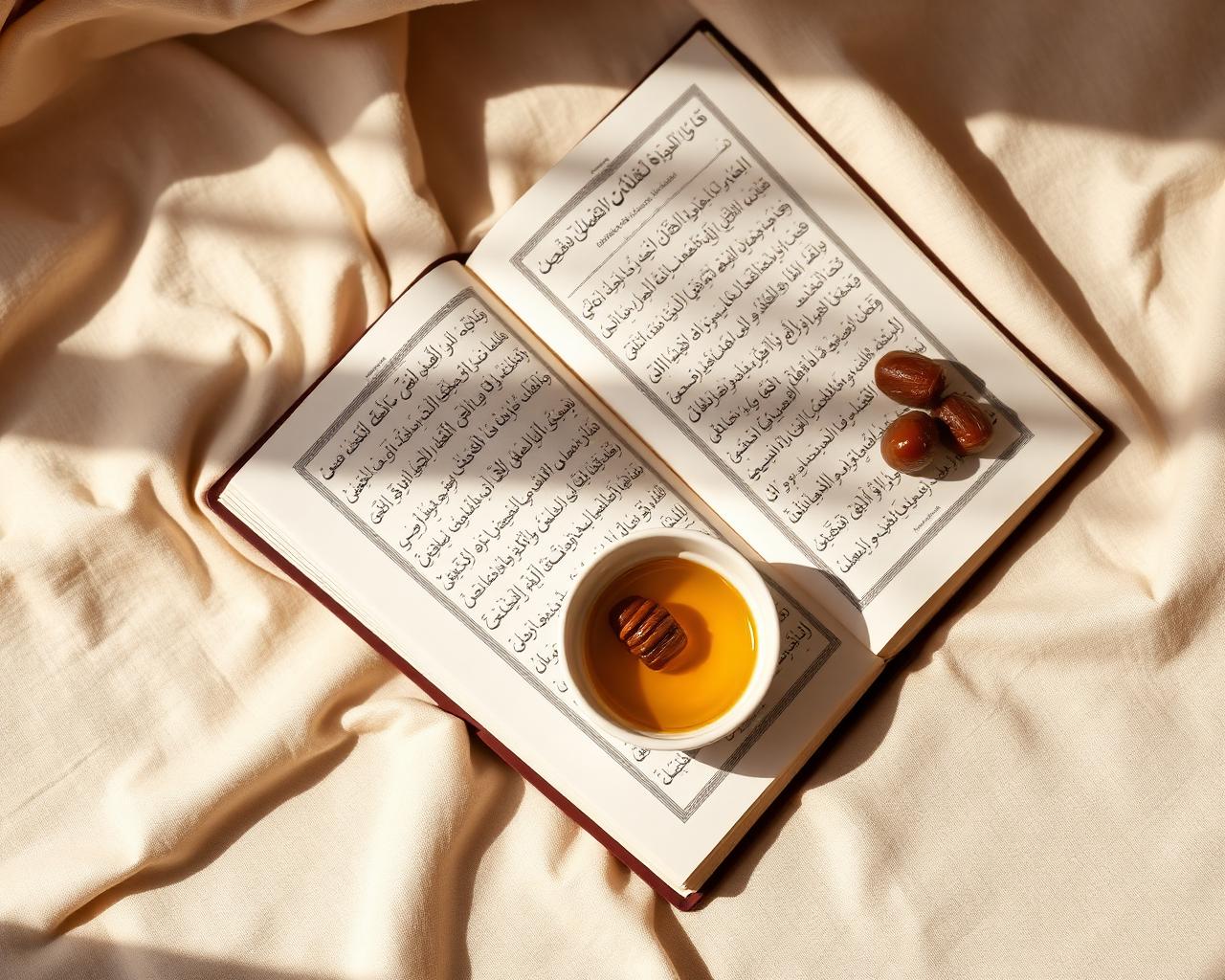
In a world filled with wellness trends, supplements, and conflicting health advice, many Muslim women and women who value modesty are asking a simple question: what does Islam actually teach about health and wellbeing? The answer may surprise you.
The Quran and authentic Sunnah do not provide a complete medical textbook, nor do they claim that a single herb can cure every illness. Instead, Islam offers something far more powerful — a balanced framework for living well, preventing illness, caring for the body, and seeking healing when needed.
More than 1,400 years ago, Islamic teachings encouraged moderation, cleanliness, movement, rest, emotional wellbeing, and seeking treatment — principles that remain relevant today.
In Islam, our bodies are not merely possessions. They are a trust (amanah) from Allah. The Prophet Muhammad ﷺ taught that health is one of life's greatest blessings, often appreciated only after it is lost.
Caring for our health is not simply about appearance or fitness goals — it is an act of gratitude and responsibility. Looking after yourself is not selfish. For Muslim women, caring for your health enables you to better serve your family, community and worship.
One of the most remarkable aspects of Islamic health guidance is its emphasis on prevention. Allah says: "Eat and drink, but do not be excessive." (Quran 7:31)
Many modern health conditions are linked to excess — whether excess food, stress, work, screen time or lack of balance. Islam encourages moderation in all aspects of life. Rather than waiting for illness to develop, believers are encouraged to maintain healthy habits that support long-term wellbeing.
The Prophet ﷺ said: "Allah has not sent down a disease except that He has sent down its cure; some people know it and some do not know it."
This hadith is often misunderstood. It does not mean Muslims already know every cure, nor that every disease can be treated with a single herb. Rather, Allah has created cures within His creation, even if humanity has not yet discovered them — encouraging us to seek treatment, pursue knowledge, and continue advancing medical understanding. Faith and medicine are not opposites.
While Islam is not centred around herbal medicine, certain foods and natural substances are specifically mentioned in Islamic sources:
- Honey — "In it is healing for people." (Quran 16:69). Valued for centuries and still studied for its potential benefits.
- Dates — a regular part of the Prophet's ﷺ diet, providing natural energy, fibre, minerals and nutrients.
- Olive oil — frequently mentioned in Islamic tradition and one of the most researched healthy fats today.
- Black seed — the Prophet ﷺ spoke of its benefits; modern researchers continue to study its active compounds.
- Importantly, these foods do not replace medical care — they may be part of a healthy lifestyle alongside appropriate treatment.
Islamic teachings place extraordinary importance on cleanliness. Daily practices such as wudu, bathing, oral hygiene, hand washing and maintaining a clean environment contribute to both spiritual and physical wellbeing. Long before modern public health systems existed, Islam established habits that supported hygiene and disease prevention.
Many women struggle with guilt when resting, yet the Quran describes sleep as a blessing and a form of rest created by Allah. The Prophet ﷺ maintained a balanced lifestyle that included sleep, worship, work, family responsibilities and periods of rest. For Muslim women balancing motherhood, careers, study and household responsibilities, rest is not weakness — recovery is part of health.
Islam encourages physical capability and strength. The Prophet ﷺ encouraged activities such as walking, swimming, horse riding and archery. Today this can include:
- Walking
- Strength training
- Pilates
- Swimming
- Fitness classes
- Sports and recreation
- Movement is not only about weight loss — it supports mobility, independence, mental wellbeing and healthy ageing.
Modern wellness often focuses only on the body. Islam recognises that true wellbeing includes the heart, mind and soul. Prayer, dua, gratitude, patience, community connection and remembrance of Allah all contribute to emotional resilience and inner peace. While spiritual practices do not replace professional healthcare when needed, they provide a source of strength and comfort during life's challenges.
The Quran and Sunnah do not teach extreme health practices — they encourage balance.
- Eat well, but do not be excessive.
- Rest, but do not become lazy.
- Seek treatment when ill.
- Take care of your body.
- Strengthen your faith.
- Trust Allah while taking practical steps to improve your health.
At Welliyah, we believe wellness should honour both faith and evidence. By combining authentic Islamic values with modern health knowledge, women can make informed choices that support their physical, emotional and spiritual wellbeing for years to come.
Sources & further reading
Every claim in this article is traced to either an authentic Islamic source or peer-reviewed research and public health guidance.
Islamic sources
Medical disclaimer: Welliyah articles are for general education and reflect Islamic wellness principles. They are not a substitute for personal medical advice. Always speak with a qualified clinician about your individual health, medication, pregnancy, or treatment decisions.