Hijama & Healing
When to do hijama
Sunnah days, cycle timing, how often to go, and how to prepare properly.
Help Review Welliyah Articles
We welcome qualified female healthcare professionals and Islamic educators to contribute to and review Welliyah content.
Interested in becoming a reviewer?
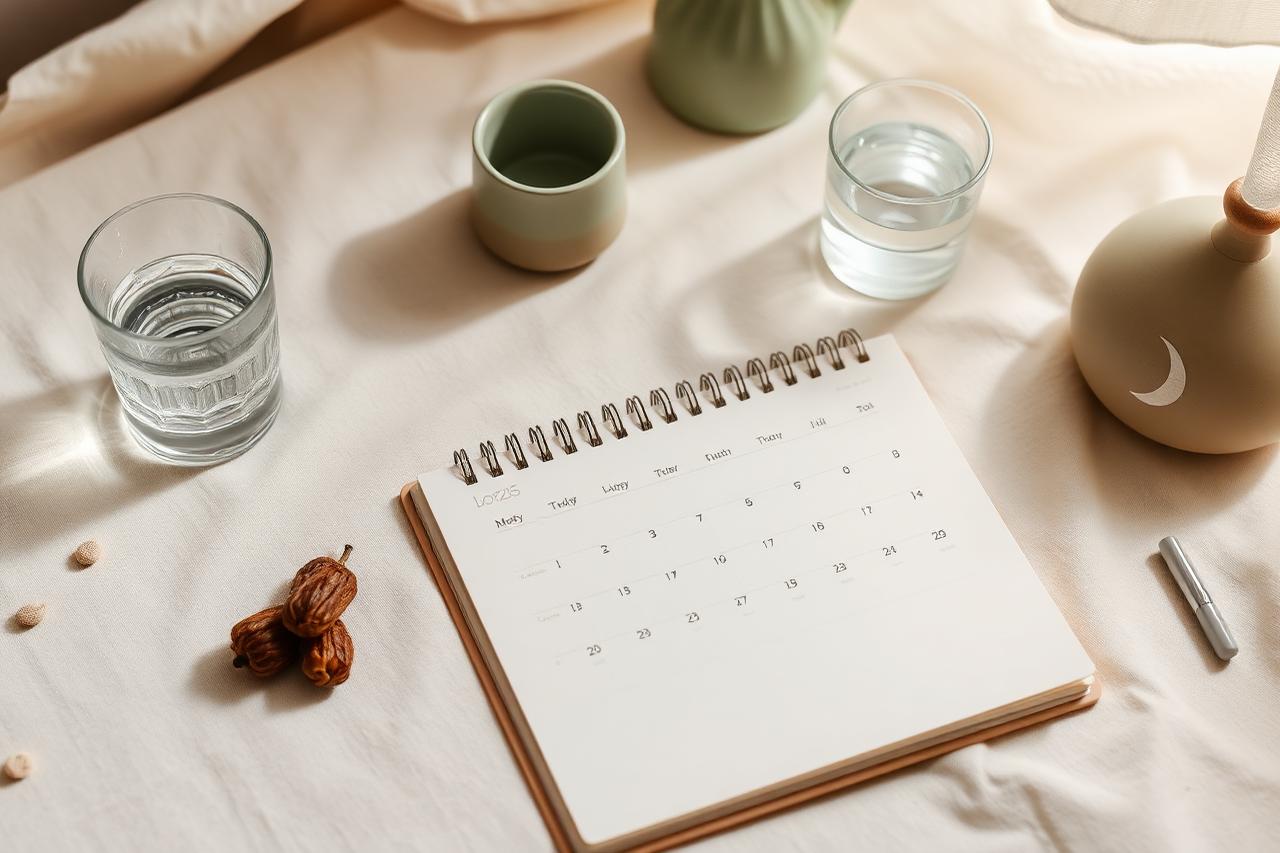
"Which day should I book?" is the question we hear most about hijama. The answer has two halves: the days the Sunnah encourages, and the days your own body is actually ready. Both matter — and when they conflict, readiness wins.
The Sunnah days
A well-known narration encourages hijama on the 17th, 19th and 21st of the lunar month, and many practitioners also favour Mondays, Tuesdays and Thursdays. Because these fall on the Islamic calendar, they shift each Gregorian month — check the Hijri date before assuming a slot is "the good one".
Keep the ruling in proportion. These are recommendations of extra benefit, not conditions of validity. Hijama done safely on the 5th by a qualified female practitioner is far better than hijama rushed on the 17th by someone unqualified.
Timing around your cycle
Most female practitioners prefer to treat after your period has finished. You have already lost blood, iron stores are at their lowest, and light-headedness is more likely. The window roughly a week after bleeding stops is when most women feel strongest.
If your goal is easing period pain, the most useful timing is usually the week before your period is due, so the tension release lands where you need it. Track two or three cycles and book to that pattern rather than guessing.
How often to go
- General wellbeing: once every three to four months, often at season changes or before Ramadan.
- An active concern (period pain, shoulder or lower-back tension, tension headaches): two to three sessions four to six weeks apart, then reassess.
- Never weekly. Repeated blood loss without recovery time works against you, particularly if you are prone to low iron.
Times to wait
- During pregnancy — wet cupping is generally avoided.
- Before your postnatal check, or while still bleeding after birth; commonly six to eight weeks, longer after a caesarean.
- While anaemic or iron-deficient — treat the deficiency first.
- During acute illness, fever or infection.
- On blood thinners or with a bleeding disorder, without medical clearance.
- Immediately before travel, exams, a wedding or a heavy work week — you want a quiet 24 hours afterwards.
How to prepare the day before
Hydrate well across the previous 24 hours. Eat properly the day before, with iron-rich food. Avoid alcohol-free but heavy, greasy meals the night before. Many practitioners ask for a light fast of two to three hours before the appointment — not a whole day of nothing.
Shower beforehand, come in loose clothing that opens easily at the back and shoulders, and bring an extra scarf if you would like more coverage. Avoid intense exercise that morning.
The 48 hours after
Keep the sites clean and covered for 24–48 hours. No swimming, sauna, hot baths or heavy training that day. Eat something warm and nourishing, drink plenty of water, and give yourself a genuinely quiet evening — this is where most of the benefit is felt.
Mild soreness and marks are normal and fade over one to two weeks. Spreading redness, heat, pus or fever is not normal — contact your practitioner and a doctor.
Common questions
What are the best days for hijama?
Many practitioners follow the narration favouring the 17th, 19th and 21st of the lunar month, and Mondays, Tuesdays and Thursdays. These are recommendations of virtue, not conditions of validity — hijama on any day is permitted, and safety and your own readiness matter more than the date.
How often should a woman have hijama?
For general wellbeing, every three to four months is a common rhythm. For an active concern such as period pain or shoulder tension, practitioners often start with two to three sessions four to six weeks apart, then move to maintenance.
Should hijama be done fasting?
Many practitioners ask for a light fast of two to three hours beforehand so you are not treated on a full stomach. Do not arrive dehydrated or having eaten nothing all day — that is the fastest route to feeling faint.
Can I have hijama while fasting in Ramadan?
Scholars differ, so follow your own school of thought. In practice most women book hijama after iftar or outside Ramadan entirely, because fasting all day then losing blood often leaves you drained.
Can I have hijama while pregnant?
Wet cupping is generally avoided during pregnancy. Wait until after your postnatal check, bleeding has fully stopped, and your doctor is satisfied with your iron levels.
Book the day you can rest afterwards, with a practitioner you trust, in a room where you feel covered and calm. That combination matters more than any date on the calendar.
General information only, not medical or religious ruling. Follow your own school of thought and speak to a healthcare professional about your circumstances.
Sources & further reading
This article draws on authentic Islamic sources (Quran and Sahih Hadith), peer-reviewed nutrition and clinical research, and UK NHS / WHO public health guidance. Full citation list available on request — email hello@welliyah.com.
Medical disclaimer: Welliyah articles are for general education and reflect Islamic wellness principles. They are not a substitute for personal medical advice. Always speak with a qualified clinician about your individual health, medication, pregnancy, or treatment decisions.