Welliyah Guide
How to choose a female hijama practitioner
Hygiene, qualifications, consent and privacy — what to ask before you book.
Help Review Welliyah Articles
We welcome qualified female healthcare professionals and Islamic educators to contribute to and review Welliyah content.
Interested in becoming a reviewer?
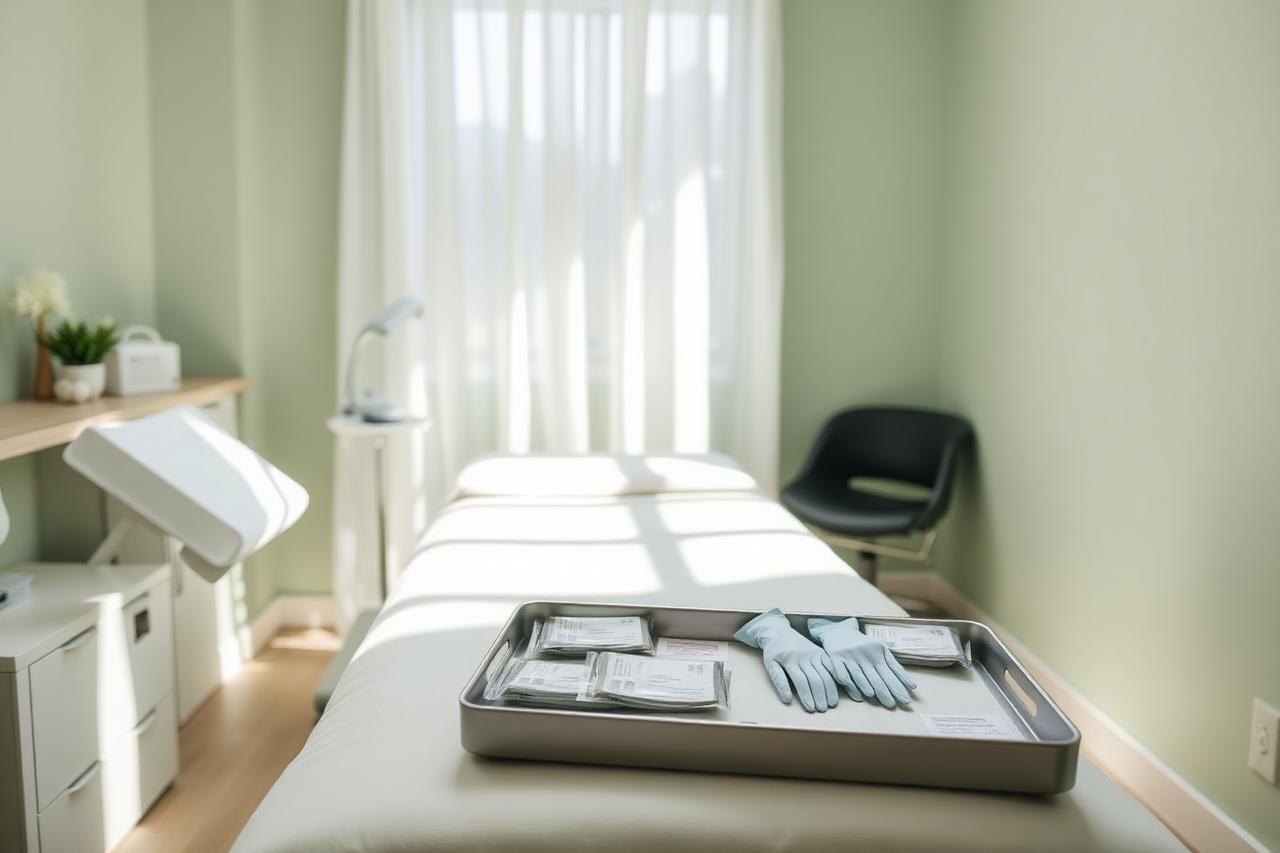
Hijama involves broken skin and blood. That single fact makes choosing a practitioner a safety decision, not just a preference. Add the modesty needs most Muslim women have — a female therapist, a closed door, minimal exposure — and the shortlist narrows quickly.
Use the checklist below before you book anyone, whether you found them through a friend, a social media page, or Welliyah.
1. Check training, not just testimonials
- A recognised hijama / wet-cupping certification you can name and verify.
- Anatomy and physiology training — so they know which points to avoid, not just which points are popular.
- Current infection-control and first-aid certification.
- Professional indemnity insurance covering wet cupping specifically.
- Bonus: an underlying clinical qualification such as nursing, midwifery or remedial massage.
2. Inspect hygiene like it's your own clinic
You are allowed to ask, and you are allowed to look. Single-use sterile blades, opened in front of you. Disposable cups, or reusable cups sterilised in an autoclave — not wiped with a cloth. Fresh gloves, changed if the practitioner touches anything else. A sharps bin inside the room, not down a corridor. Clean couch paper changed between clients, and a clear answer on how blood waste is disposed of.
If any of that is vague, unclear, or met with irritation — leave. A professional is proud of their protocol.
3. Expect a real health screening
Before any cup is placed you should complete an intake covering medications (especially blood thinners), bleeding disorders, anaemia, diabetes, pregnancy, recent surgery, skin conditions, and what you are actually hoping to improve.
A practitioner who skips screening is skipping the part that keeps you safe. One who tells you to stop prescribed medication is not someone to trust with your body.
4. Confirm privacy and modesty in writing
- Female practitioner, and female-only staff on site during your appointment.
- A private room with a lockable door or fully closed curtain — not a screened corner of an open salon.
- Only the treatment area uncovered; everything else stays draped.
- Prayer space and time available if your session crosses a prayer window.
- No photos of you, your marks, or your treatment — ever, unless you give separate written consent.
5. Ask how consent works during the session
Good practice sounds like this: the practitioner explains each step before it happens, tells you where they are placing cups, checks pressure and comfort as they go, and stops the moment you ask. You should never feel you have to endure something to be polite.
At Welliyah, this is exactly why every professional completes a Wellness & Modesty Consent Form with you before treatment — your preferences on coverage, hair covering, room privacy, touch and communication are recorded before the session, not negotiated mid-treatment.
6. Aftercare is part of the service
Before you leave you should receive clear aftercare: keep the sites clean and covered for 24–48 hours, no swimming, sauna or heavy exercise that day, hydrate and eat something nourishing, rest, and specific signs of infection to watch for with a way to contact the practitioner if they appear.
No aftercare instructions is a red flag on its own.
Red flags — walk away
- Claims hijama cures cancer, infertility, diabetes or any serious disease.
- Tells you to stop prescribed medication.
- Cannot or will not name their qualification or insurer.
- Reuses cups without autoclave sterilisation, or reuses blades.
- Treats in a kitchen, living room or open salon floor with no privacy.
- Pressures you into packages, or into more points than you agreed to.
- Posts client photos without visible consent.
Common questions
What qualifications should a hijama practitioner have?
Look for a recognised hijama or wet-cupping certification plus anatomy and physiology training, current first-aid, infection-control training, and professional insurance. Many of the best practitioners also hold a healthcare qualification such as nursing or massage therapy.
How do I know a hijama clinic is hygienic?
Everything that touches blood must be single-use and opened in front of you: sterile blades, disposable cups or cups sterilised in an autoclave, gloves, and a sharps bin in the room. Couch paper should be changed between clients and there should be a written waste-disposal process.
Can I request a female-only hijama session?
Yes, and you should. Ask for a female practitioner, a private room with a lockable door or closed curtain, no male staff passing through, and confirmation that only the area being treated is uncovered.
Should hijama hurt?
You should feel tight suction and a brief sharp scratch, not ongoing pain. Anything beyond mild discomfort means the pressure is too high — say so immediately. A good practitioner checks in throughout and stops when you ask.
You are not being difficult by asking these questions. You are being careful with a body that has been trusted to you. Any practitioner worth booking will welcome every single one.
Sources & further reading
This article draws on authentic Islamic sources (Quran and Sahih Hadith), peer-reviewed nutrition and clinical research, and UK NHS / WHO public health guidance. Full citation list available on request — email hello@welliyah.com.
Medical disclaimer: Welliyah articles are for general education and reflect Islamic wellness principles. They are not a substitute for personal medical advice. Always speak with a qualified clinician about your individual health, medication, pregnancy, or treatment decisions.