
Welliyah Guide
How to Choose a Professional
A Muslim woman's guide to finding safe, respectful, and truly skilled wellness, beauty, and therapy care.
Help Review Welliyah Articles
We welcome qualified female healthcare professionals and Islamic educators to contribute to and review Welliyah content.
Interested in becoming a reviewer?
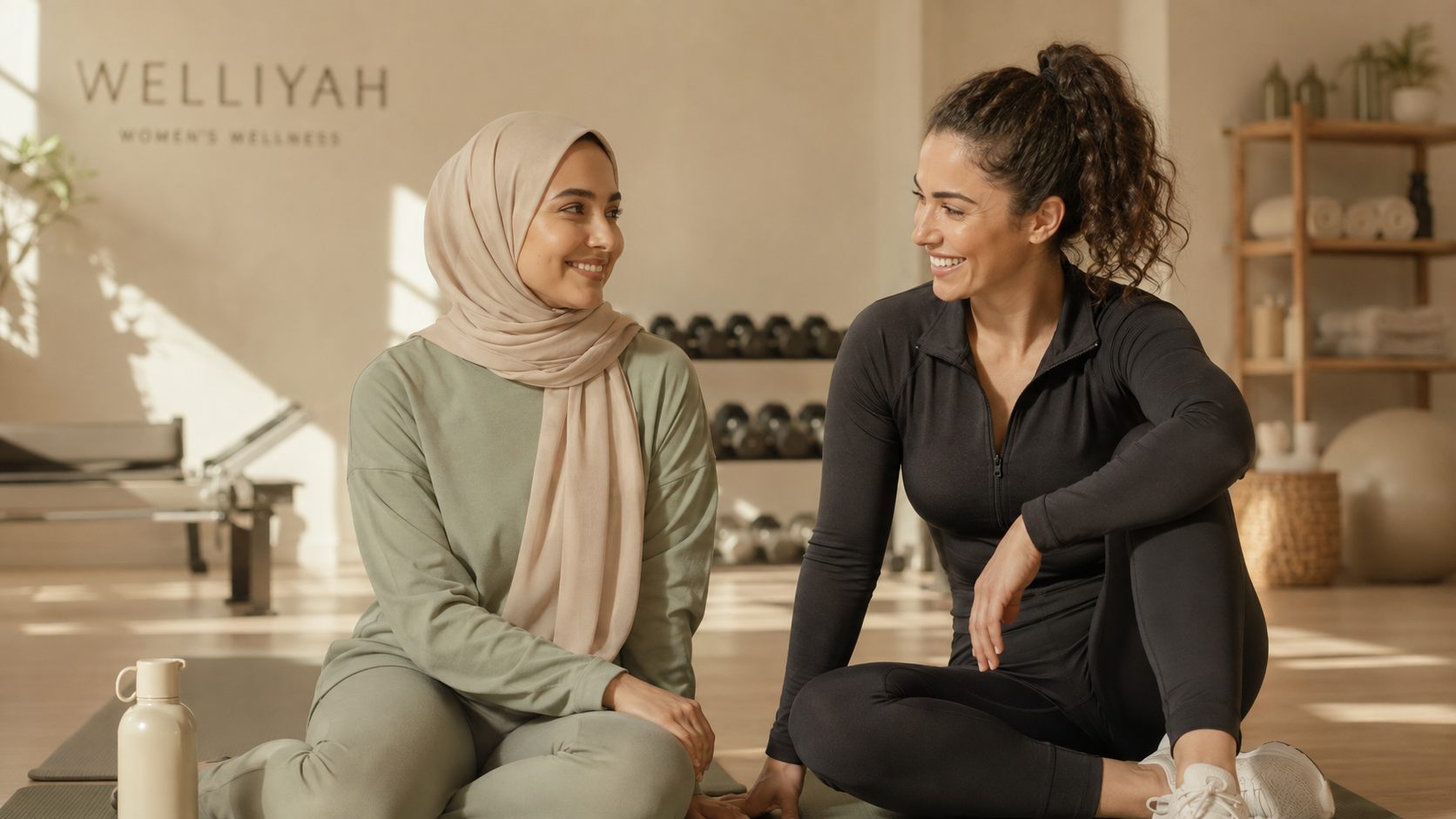
Choosing a professional to care for your body, mind, or home is never just about skill. For Muslim women and women who value modesty, it's also about feeling safe — spiritually, physically, and emotionally. The right professional doesn't just deliver a service. She honours your boundaries, respects your faith, and makes you feel seen without making you explain yourself.
This guide is for every woman who has ever hesitated before booking a massage, walked into a salon and walked straight back out, or sat in a therapy session translating her own beliefs. Here's what to look for, what to ask, and what to walk away from.
Before you evaluate the professional's skill, evaluate her environment. Is it women-only? Are there male staff or clients passing through? Is there a private room, or do treatments happen in an open-plan space? For many Muslim women and women who value modesty, a women-only space is not a preference — it's a prerequisite for being able to relax at all. If the space doesn't feel safe, even the best technique in the world won't help you receive it.
Certifications, insurance, and professional memberships matter. They show a baseline of training and accountability. But paper credentials don't guarantee kindness, patience, or modesty-awareness. Ask: How long have you been practising? What training do you have in women-centred or postnatal care? Are you insured? Then listen to how she answers — not just what she says, but whether she seems proud of her standards or defensive about them.
The best professionals will answer questions about modesty with calm confidence, not awkwardness. Ask directly: Do you have a private room? Can I keep my hijab on during the consultation? Will you use proper draping so only the treated area is exposed? Is the space fully women-only? A professional who understands women's care will not be surprised by these questions. If she seems irritated, dismissive, or vague, that's your answer.
Look for reviews that mention feeling "comfortable," "safe," "listened to," or "not rushed." A five-star review about the "amazing results" tells you less than a four-star review saying "she took time to understand what I needed and never made me feel awkward." For Muslim women and women who value modesty specifically, seek out reviews from other modest-conscious clients if you can find them — or ask in your community group for firsthand recommendations.
The way a professional responds to your first message or call is usually the way she'll treat you in person. Does she answer your questions fully? Does she ask about your needs, your boundaries, any health conditions? Does she explain what will happen in the session, or leave you guessing? A professional who communicates clearly and respectfully before you've paid is likely to treat you with the same care once you're on her table or in her chair.
Some signs are not worth negotiating. Mixed-gender spaces with no private option. Pressure to remove more clothing than you're comfortable with. Dismissive responses to your faith or modesty needs. Unwillingness to explain products or ingredients. A cluttered, unclean, or unprofessional environment. No proof of insurance or certification when asked. Trust your instinct — if something feels off, it probably is. There are too many good professionals out there to settle for one who makes you feel small.
Beyond the basics, the best professionals offer small signals that they truly care about women. Halal-friendly product options. Knowledge of Islamic postnatal traditions like the 40-day recovery period. Flexibility with prayer times. Understanding of Ramadan fasting and how it affects energy, skin, or treatment timing. These details don't appear on a certificate, but they tell you: this woman sees me as a whole person, not just a client.
When you find a professional who treats you well, leave an honest review. Mention what made you feel safe, what she did differently, and what other Muslim women and women who value modesty should know. And if something went wrong, share that too — respectfully, but honestly. The Welliyah community grows stronger when women share real experiences, not just star ratings. Your voice helps another sister make a better choice tomorrow.
Choosing a professional is an act of self-respect. You are not being "difficult" by asking about modesty, privacy, or faith-aware care. You are being wise. The right professional will not just accept your boundaries — she will honour them as part of her craft.
At Welliyah, every professional in our network is reviewed, verified, and committed to women-centred, respectful care. Because you deserve to feel safe, seen, and genuinely well — every single time.
Frequently asked questions
- How do I know if a wellness professional is truly modesty-aware?
- Ask before you book: is the space fully women-only, is there a private treatment room, will proper draping be used, and can you keep your hijab on during consultation? A genuinely modesty-aware professional answers these calmly and in detail, because she is asked them often. Hesitation, vagueness or irritation is your answer.
- What questions should a Muslim woman ask before her first appointment?
- Ask about training and years of practice, insurance and certification, whether the space is women-only, how draping and privacy are handled, whether halal-friendly or alcohol-free products are available, and whether prayer times, Ramadan fasting or postnatal recovery needs can be accommodated.
- Are certifications enough to trust a practitioner?
- Certifications show a baseline of training and accountability, but they do not measure kindness, patience or modesty-awareness. Use credentials as a filter, then judge how she communicates, whether she asks about your boundaries and health, and how she explains what will happen in the session.
- What are the red flags I should walk away from?
- Mixed-gender spaces with no private option, pressure to undress beyond your comfort, dismissive responses to your faith or modesty needs, refusal to explain products or ingredients, an unclean environment, and no proof of insurance or certification when asked.
- How can I find a female practitioner who understands Islamic care traditions?
- Look for practitioners who mention women-only spaces, halal-friendly products and familiarity with traditions such as the 40-day postnatal recovery period. Welliyah verifies every professional in its network for women-centred, privacy-respecting care, so you can filter for these needs before you book.
- Is it rude to ask about privacy and modesty?
- No. Asking is professional, not difficult. Good practitioners consider privacy part of their duty of care and welcome clear boundaries because it helps them deliver a better, safer treatment.
Sources & further reading
Every claim in this article is traced to either an authentic Islamic source or peer-reviewed research and public health guidance.
Medical disclaimer: Welliyah articles are for general education and reflect Islamic wellness principles. They are not a substitute for personal medical advice. Always speak with a qualified clinician about your individual health, medication, pregnancy, or treatment decisions.